
It is easy to choose a wallet on looks. The leather, the finish, the stitching. What is harder to judge is size, and you find out about six months in, once the leather has settled around whatever you have been carrying.
A slim card holder and a men’s billfold can share the same leather and cost about the same, even though one holds roughly half as much as the other. Neither is the serious choice with the other as the compromise. What separates them is how each is constructed to hold its capacity, and construction determines whether a wallet wears well for years or loosens within months.
So the decision does not start with the wallet. It starts with what you put in one.
Start With What You Actually Carry
Most of us choose a wallet with the wrong day in mind. A card holder looks right when you imagine a stripped-back carry, two cards and nothing spare, and that version of us tends to last about a fortnight. A bifold looks right when you imagine the trip with foreign notes in it, which comes round twice a year. Both are rare days. Choose the ordinary Tuesday in between, when you carry what you always carry.
The leather is why this matters. Full-grain takes its shape from whatever sits inside it, and it holds that shape permanently. A card holder loaded past what it was cut for will stretch and stay loose around the stack. A bifold that never holds more than half of what it was built for will not fill out, so the fold sits slack. Either way, the wallet settles into a shape you did not choose, and it will not settle back.
Tip: Empty your current wallet onto a table. Sort it into three piles: used this week, used this month, carried out of habit. Pile one is your real carry.
Now count that pile. If you have 7 to 10 cards and no coins, a card holder is a good fit. If you have 11 or more cards, or if you handle cash and coins at least once a week, a bifold is the better fit.
What if you fall in between? If you have 6 cards plus coins, the bifold gives you room without stretching too much. If you have 11 cards but no coins, the card holder will feel tight from day one, so size up to the bifold. The rule is simple: choose the wallet that fits your regular stack without forcing it, and size up if you are near the upper limit of either range.
What a Slim Card Holder Is Built For

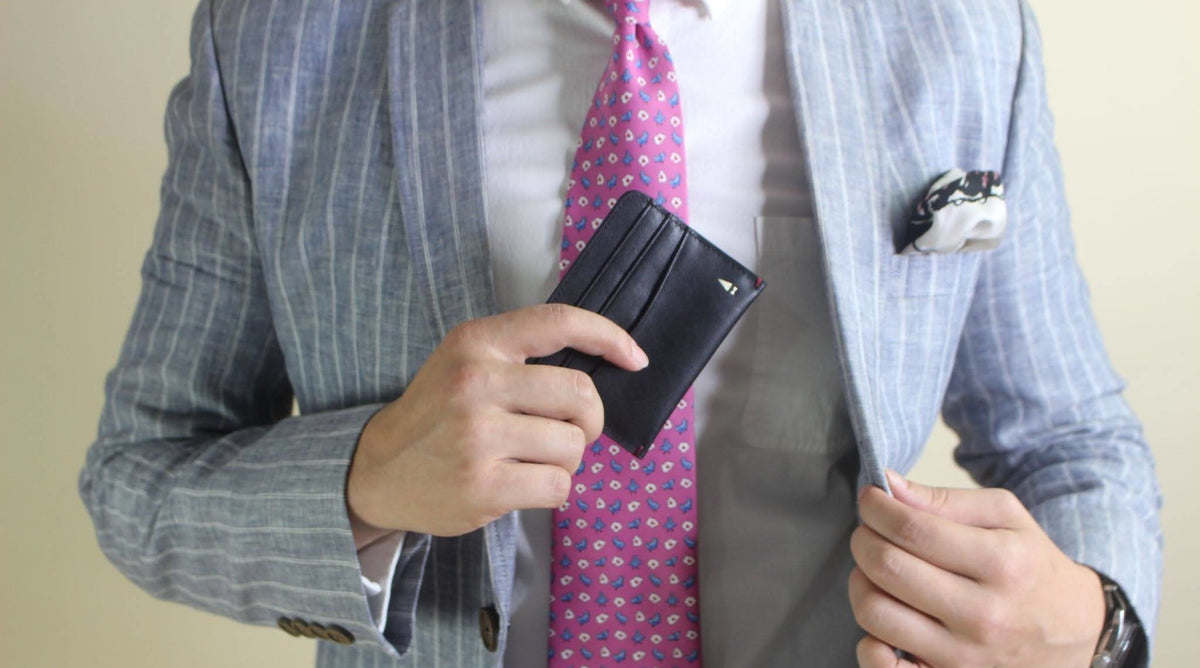
A slim card holder runs at roughly 3mm through the body. No lining bulk sits between the cards and the leather, so the two sit in direct contact. The leather then takes its shape from the stack inside it. Full-grain moulds to what it holds rather than resisting it, which is why a card holder starts to carry the impression of its own contents after a few months.
That is also why the capacity we quote is not a soft limit. Leather stretched past what it was cut for does not spring back.
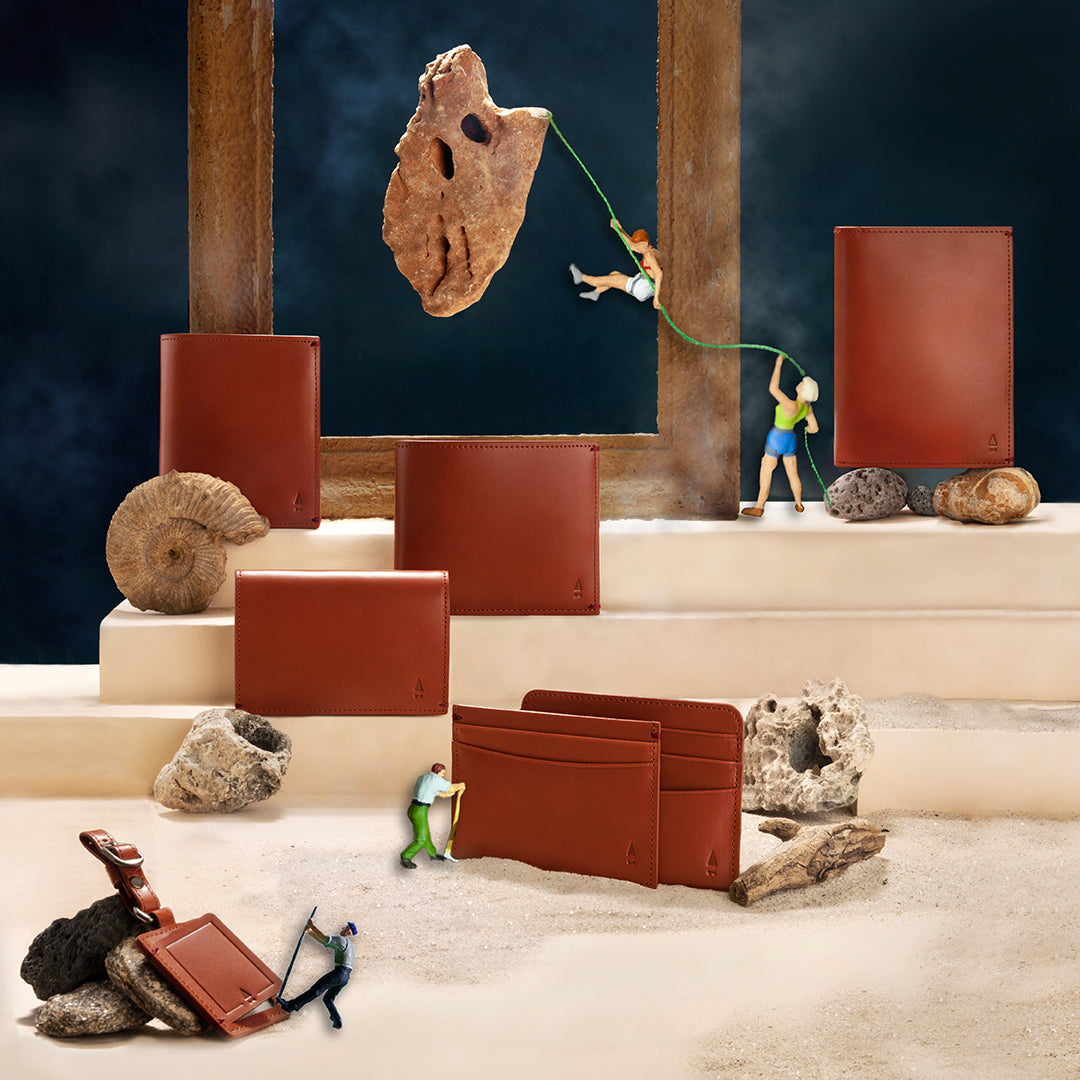
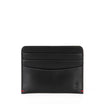
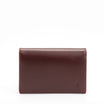
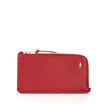
The Gulliver Slim Cash Card Holder Wallet is built around seven to ten cards across six quick-access slots, with a note folded once behind them. That's not the most it can hold. It is the point where wax full-grain keeps its shape for good. RFID lining sits inside the same profile without adding a millimetre. Capacity changes across our men's card holders, but the thinking behind the number stays the same.
Where you keep it matters for the same reason. A front pocket gives a card holder two flat faces and even pressure, which is what it was cut to sit against. A back pocket is not flat, and the leather keeps whatever shape it is pressed into.
For back pocket carriers, the bifold is the safer option. Its spine and folded construction absorb the uneven pressure of sitting better than a flat card holder, which will take on a permanent curve over time. A card holder in a back pocket will eventually bow, and that bow stays. If you are set on a card holder but carry it in your back pocket, you should expect that curve and accept it as part of the wear. If you want the wallet to stay flat, move it to a front pocket or choose the bifold. The bifold's extra thickness actually works in your favour here, because the fold gives the leather somewhere to go under pressure, rather than stretching out of shape.
Tip: Set aside the cards you would carry in a slim holder and look at what is left over. If two or three of them are cards you use in a normal month, the card holder is probably too small for your carry. That is worth knowing before you buy, not after.
What a Bifold Is Built For

A bifold doubles everything. Each card sits on one side of a spine, so the closed thickness is both halves added together. Put two cards on the same side, and you add twice what one on each side would. It is why two wallets rated for the same number of cards can close at noticeably different thicknesses, and why the layout ends up mattering more than the headline capacity.
The 6- to 14-card range isn't a guess. It reflects two different ways to use the bifold. With 6 cards, the leather sits comfortably, and the fold stays neat because the spine takes up the slack. With 14 cards, the wallet fills out fully but does not stretch beyond its cut. If you carry 6 cards today but expect to carry more in future, the bifold grows with you without loosening. If you carry 14 and drop to 6 later, the leather will hold its shape better than a card holder would, because the bifold's spine distributes pressure more evenly.
Coins are usually where the math goes sideways. A coin section built onto the outside of the fold adds its full depth to the closed wallet, which thickens it in the one place it was meant to stay flat.
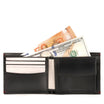
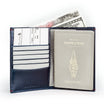
The Gulliver Coin Bifold Wallet puts the coin slot inside the fold instead, using space the fold already takes up. It holds six to fourteen cards and two currencies in wax full-grain leather. Minimalist wallets with a coin pouch are a small category because most builds take the outside route. Our men's billfold wallets take the inside one.
Coins still turn up in Singapore, even on a mostly contactless day. A hawker stall or change from a cash-only shop puts three or four back into circulation, and a wallet with nowhere to put them just moves the problem into your pocket.
That said, not everyone wants coins in their wallet. If you actively avoid coins and never carry them, then the coin slot is simply unused bulk, and the card holder becomes the cleaner choice. The bifold's interior coin slot is designed for people who handle change regularly, not for people who never do. So check your own habit: if you see coins in your pocket at the end of most days, the bifold solves that. If you cannot remember the last time you had change, skip the coin slot and go with the card holder. The right choice depends on what you actually carry, not on what the wallet can do.
Tip: Check your pocket, not your wallet. Loose coins sitting there now are exactly what an interior coin slot is for. If you cannot remember the last time you handled change, it is bulk you would be folding around every day for something you rarely use.
Both Built to the Same Standard
Both wallets are built the same way. The same full-grain leather and attention to capacity, layout and lining, all settled at the same stage of the build. Neither is the cheaper version of the other, so the decision is not really about quality. It comes down to which one fits your carry. The same goes for our women's wallets and card holders, sized around a real carry in the same way.
Once you know what pile one looks like, compare the Gulliver Slim Cash Card Holder Wallet and the Gulliver Coin Bifold Wallet side by side in the Gnome & Bow wallet range.



Leave a comment
This site is protected by hCaptcha and the hCaptcha Privacy Policy and Terms of Service apply.