
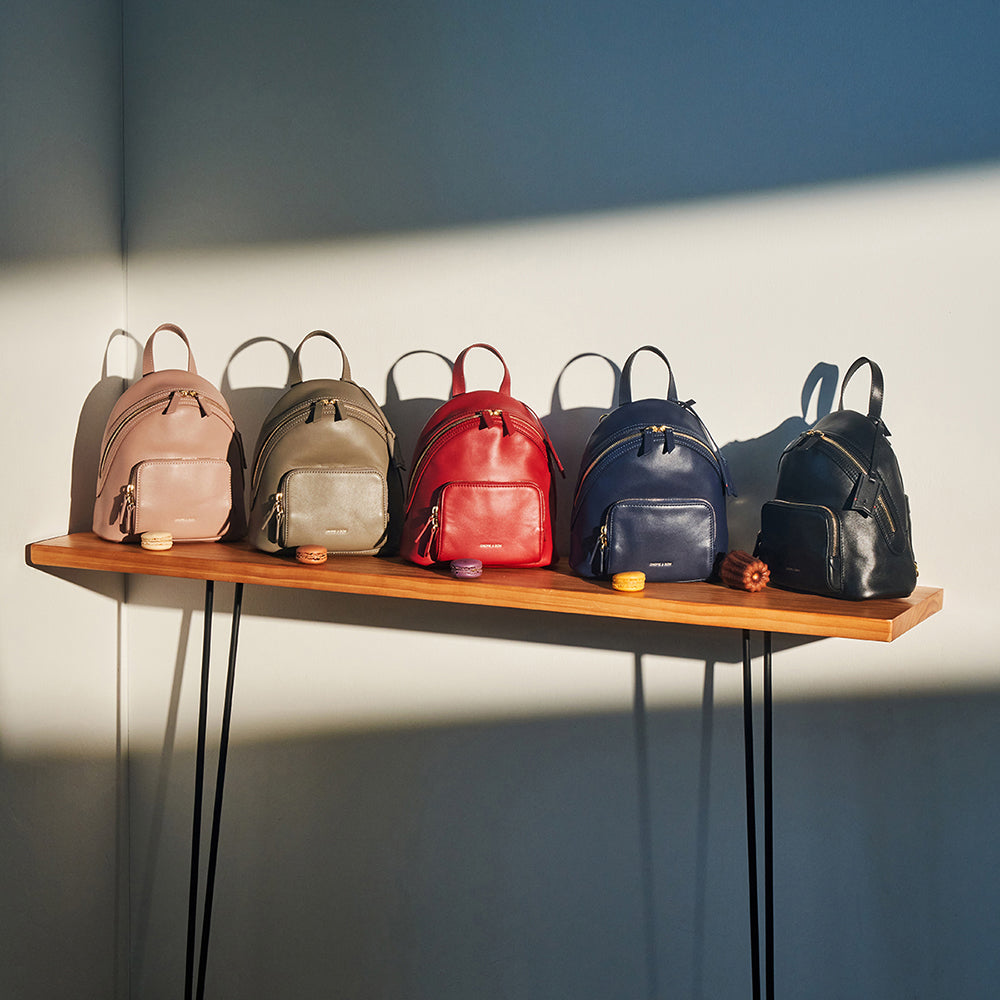
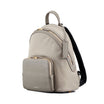

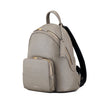


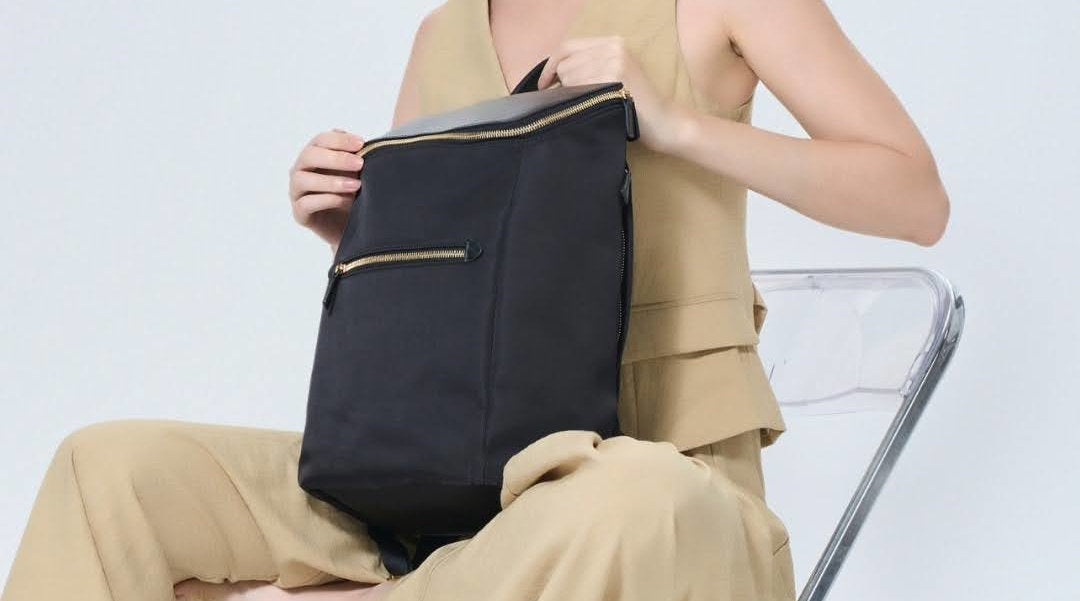
Full-grain leather sets what a backpack looks and feels like at the point of purchase. The surface, the tone, and how it develops with handling over time. Whether it gets the chance to develop at all is decided somewhere else: the strap attachment points, stitching, and zip hardware carrying the daily load underneath.
Marketing usually stops at the leather: the grade, the tannery, the finish. Attachment points, stitch consistency, and zip construction get far less attention, yet these are what actually carry a leather backpack through years of daily use. Each is worth a closer look.
1. Attachment Points

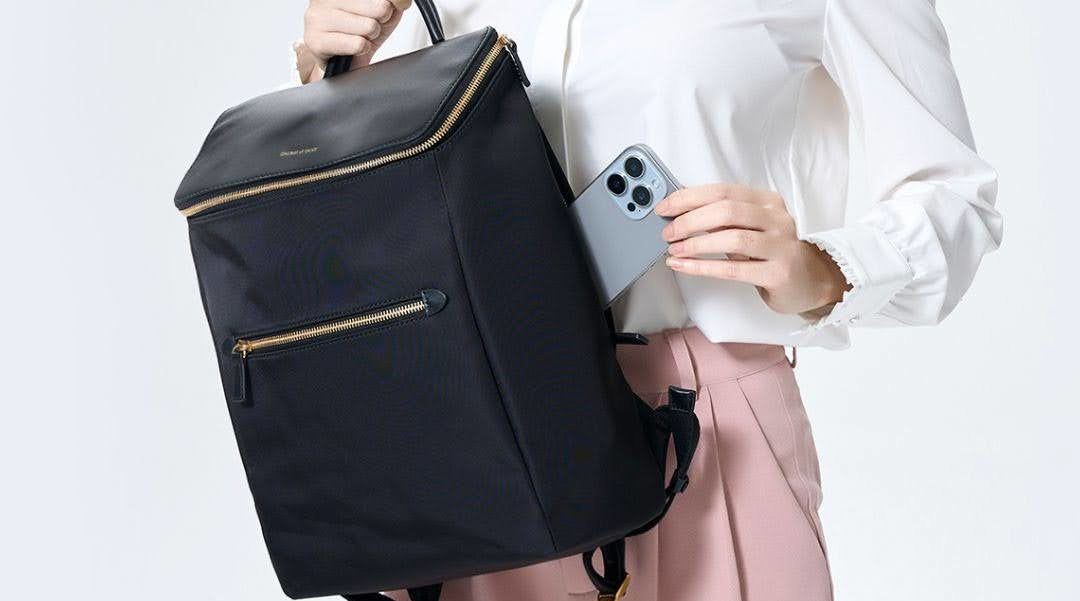
The tell is what sits behind the strap. On a well-built backpack, the strap anchors to a reinforced backing panel, so the tension spreads across a wider area of the body instead of pulling on a single layer of leather. Bar tacking is the other marker: a dense run of reverse stitching at the top of the strap, where the pull is heaviest. Laptop backpacks make the point clearly. The weight sits high and concentrated. That load goes through the anchors, not the panels around them.
Tip: Look for hardware that is stitched into a fold of leather rather than riveted through a single flat panel. A rivet concentrates load into one small hole, which is where a strap tends to give way first.
2. Stitching

Stitch density is the fastest read. Tight, evenly spaced stitching spreads the load across the whole seam, and the spacing matches the leather's thickness. Where a seam starts and ends matters just as much. A well-made seam is locked off with a few reverse stitches. A cheaper one is often finished with a single knot that works loose over time. On most backpacks sized for compact daily carry, the seams hold the bag's shape. When the stitching loosens, the bag starts to droop at the sides and lose its structure, and that happens long before any seam actually tears.
Tip: Turn the bag inside out where the lining allows. Interior seams are where corners get cut, because most buyers never look at them.
3. Zip Hardware

How a zip runs tells you how it was made. Smooth teeth that are evenly shaped and properly aligned glide under one hand. Rougher ones catch and drag, and that gets worse as the zip wears. Travel backpacks put this to the test faster than most, since they get packed past their usual volume and opened repeatedly across a trip. A zip that already drags on day one will not survive that.
YKK is the zip manufacturer most of the industry relies on, and EXCELLA is its highest line: each tooth is polished individually rather than left as it comes out of the mould, which gives it the smooth run that holds up for years. It is the zip specified across all of Gnome & Bow backpack styles, and the same grade used by major luxury brands.
Tip: Hold the puller between two fingers. A solid metal puller holds its shape under years of use, whereas a hollow or plated one wears through at the loop.
Built to the Same Standard Underneath


Full-grain leather is where a Gnome & Bow backpack starts. The attachment points, seams, and zip are specified with the same attention at the same stage, because we believe a bag is only as good as the parts holding it together.
For anyone shopping for a backpack in Singapore, construction determines whether a bag is still worth carrying in three years.
Browse the Gnome & Bow range of leather backpacks for women and men.



Leave a comment
This site is protected by hCaptcha and the hCaptcha Privacy Policy and Terms of Service apply.